

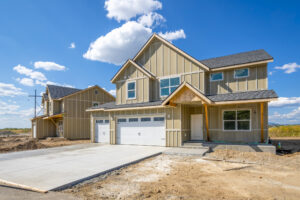
 Investing in single-family rental properties can provide a low-maintenance starting point, while still requiring disciplined analysis before purchase. New housing can raise the initial cost of the investment, while it may offer benefits such as more customization options, improved energy efficiency, and reduced maintenance needs during the first years of ownership. Costs can climb once optional finishes are added, and the base price may offer little negotiating room. Before selecting a builder home, examine the pros and cons carefully to maximize your return on investment.
Why Consider New Construction for Your Rental Portfolio?
Purchasing new construction as a rental property can simplify the transition from purchase to tenant placement when the builder delivers a finished home. Because the property is new, investors can market current features without first paying to modernize an older home. If the selected finishes are already reflected in the contract price, out-of-pocket expenses are typically minimal as the investor moves into the first rental cycle.
If occupancy is available at closing, the investor can begin lease-up planning immediately rather than funding extensive repairs. Renter-focused selections can make the property more competitive, particularly when they include smart home features. For prospects who value automation and security, smart thermostats and security systems can improve marketability by pairing new construction with useful technology.
Top Benefits of Energy-Efficient, Smart Homes for Renters
A new home offers a distinct proposition to renters who prefer fresh interiors and recently installed equipment. Attracting quality tenants is key to rental success. Up-to-date building standards can improve thermal performance and deliver lower utility bills and greater environmental sustainability. Newer windows and mechanical equipment can enhance comfort while giving renters another reason to stay.
For the right strategy, the benefits of a finished modern home can make new construction an appealing choice for rental property investors. New does not guarantee flawless construction, making inspections and a review of the builder’s history especially important.
Unexpected deficiencies can add both administrative work and repair expense, particularly when warranty service is inconsistent. Customization is not unlimited, and deviations from the builder’s standard offering may come with significant premiums.
Is New Construction the Right Investment for You in Today’s Market?
For a strategy built around large purchase discounts, new construction may provide fewer ways to create value at acquisition. Builders frequently protect established price points to support future sales, making direct discounts more difficult to obtain.
Builders have an incentive to maintain comparable values throughout a development, so a straightforward price reduction may be harder to obtain. That is why it is wise to inquire about current incentives, closing cost assistance, or upgrades that may be available.
Before purchasing a new home as a rental property, weigh the pros and cons carefully. Base the analysis on the local rental market, projected tenant demand, and determine whether the property’s design supports the needs of your target demographic. If the home meets the needs of the market and the portfolio, new construction can deliver strong long-term returns.
Market-level evidence is an important part of deciding whether a new property can support the owner’s return goals. Real Property Management Abound supports Tulsa property owners with local information that can strengthen investment analysis. We perform market assessments for all potential rental properties, ensuring owners who partner with us have the tools and information they need to make the best investment decisions. For more information on rental market analysis, contact us online.
This content is provided for general informational and educational purposes only and does not constitute financial, legal, tax, or investment advice. Readers should consult with licensed professionals regarding their specific circumstances.
We are pledged to the letter and spirit of U.S. policy for the achievement of equal housing opportunity throughout the Nation. See Equal Housing Opportunity Statement for more information.
